















Ted Wragg Trust celebrates innovation competition winners as students tackle real-world sustainability challenges
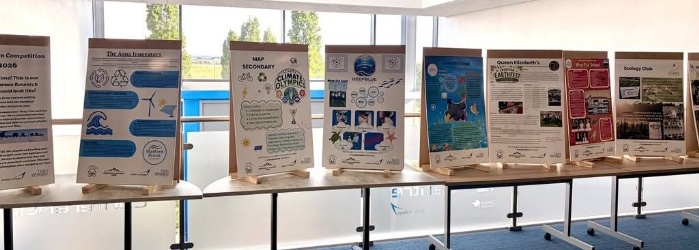
Students from across the Ted Wragg Trust have been recognised for their creativity, innovation and problem-solving skills after presenting projects designed to address real-world environmental challenges at this year’s Innovation Competition.
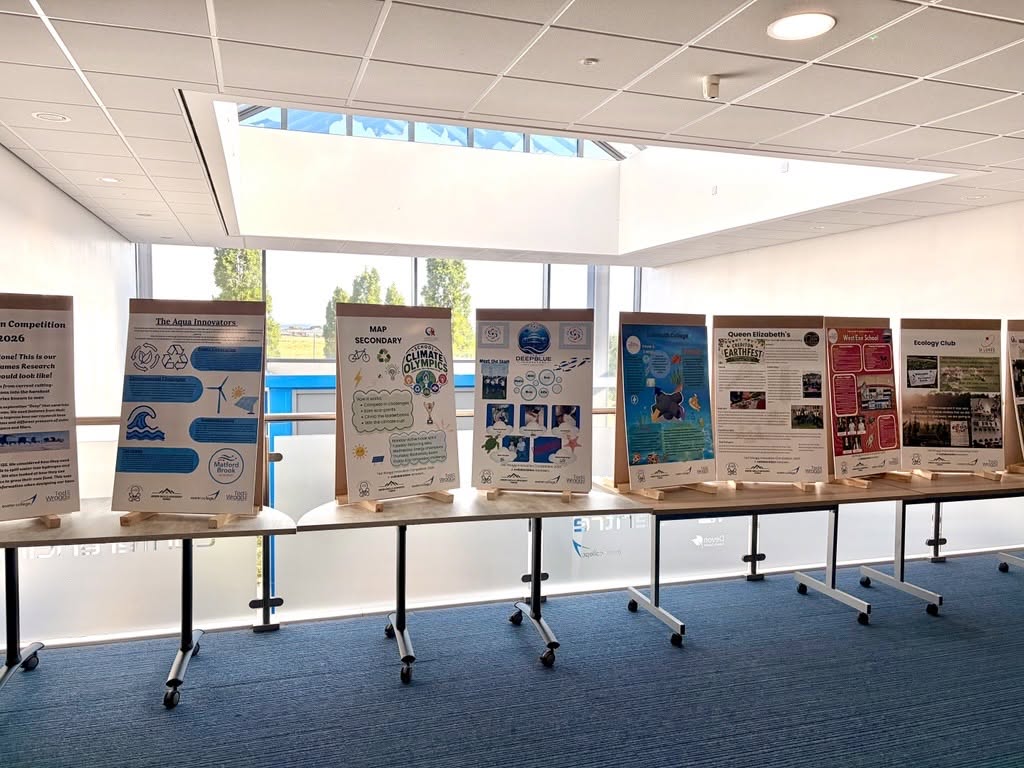
Held at the Exeter Future Skills Centre in partnership with Exeter College, the competition saw pupils spend six months researching, designing and developing innovative solutions before presenting their ideas to fellow students, schools from across the Ted Wragg Trust and a panel of industry experts.
School teams were challenged either to design a low-carbon subsea habitat or sustainable Martian exploration habitat, or to develop an innovative environmental project linked to their school’s Climate Action Plan.
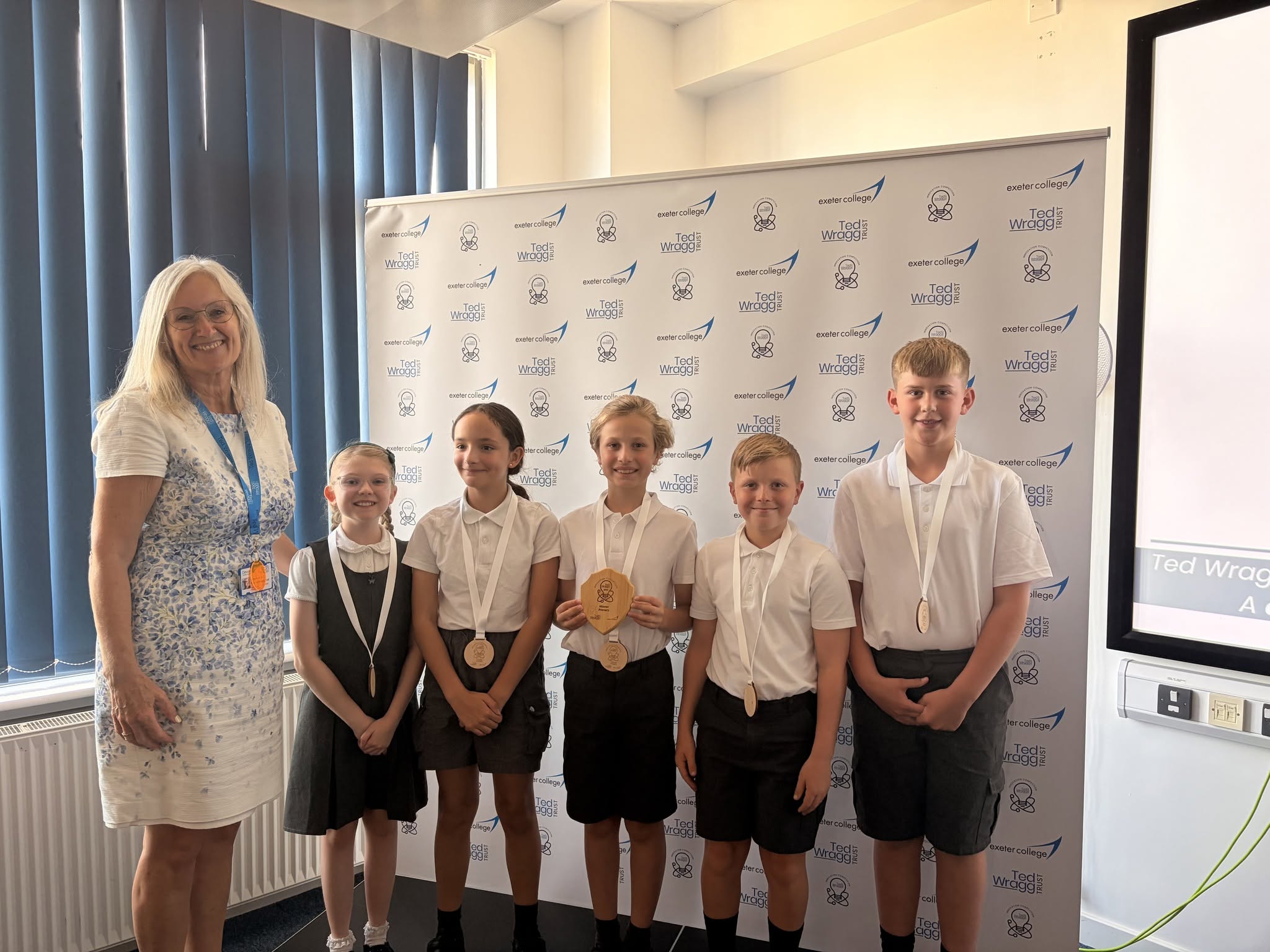
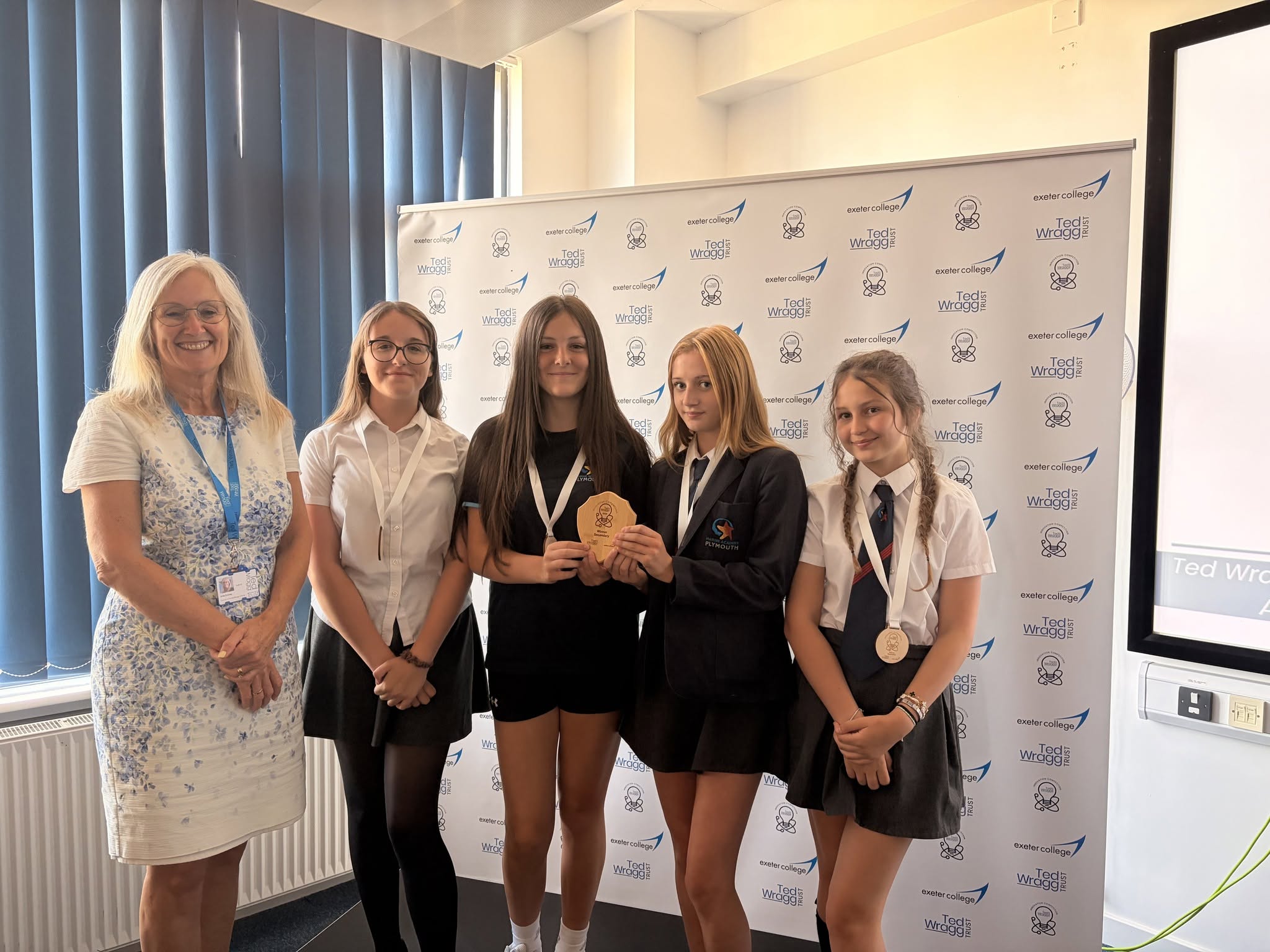
In the primary category, Exwick Heights Primary School claimed first place for the fifth consecutive year with an outstanding sustainable Mars exploration habitat project. In the secondary category, Marine Academy Plymouth took the top prize with its Climate Olympics initiative, designed to make environmental action fun, competitive and accessible across the whole school community.
The Year 5 team from Exwick Heights Primary School designed a sustainable Mars exploration habitat featuring hydroponic growing systems to produce food efficiently indoors without soil, helping supply fresh food for future astronauts. To help develop their ideas, the pupils visited a Cavanna Homes development, where they gathered inspiration for features including pressurised double-door entrances, food-growing areas and sustainable energy sources.
Judges praised the project as an “outstanding” example of creativity, scientific rigour and problem-solving, highlighting the team's excellent research, innovative thinking and teamwork.
Innovation team member Lucas, aged 10, said:
"I was the researcher and one thing I loved about the project was building the model of the sustainable Martian exploration habitat.
"I also loved being part of a team that worked so well together. I loved naming the team and growing in confidence every time we practiced our presentation. The competition was very exciting and fun even though we were nervous, it was a great day."
Headteacher Gemma Wills of Exwick Heights Primary School said:
"We are incredibly proud of our pupils. Their success is the result of months of curiosity, creativity, teamwork and determination. They thoroughly immersed themselves in the project, developing innovative ideas and presenting them with real confidence and enthusiasm.
"Opportunities like this inspire children to think big and see how the skills they develop today can help shape the future. Well done to every member of the team on this fantastic achievement."
Meanwhile, students from Marine Academy Plymouth developed their Climate Olympics concept, where year groups compete to earn eco-points through sustainable actions, with colourful displays tracking progress to keep pupils motivated and engaged throughout the year.
The judges were particularly impressed by the team's practical ideas, including encouraging greener travel, introducing themed sustainability goals throughout the week and launching an Eco Innovation Challenge to inspire fresh environmental solutions. They described the project as “highly engaging and well developed”, praising its potential to create a lasting environmental impact and be adopted by schools more widely.
Headteacher Jennifer Brimming of Marine Academy Plymouth said:
"It has been wonderful to see our pupils embrace this opportunity with such enthusiasm, creativity and determination. Throughout the competition and preparation process, they demonstrated impressive teamwork, problem-solving skills and a willingness to think differently.
"Opportunities like this encourage our young people to be ambitious, challenge themselves and recognise the positive impact their ideas can have on the world around them. We are incredibly proud of everything they have achieved."
The judging panel included Simon N. Evetts, Director of Space at Nautexe Global based at Exeter Science Park, who has more than 35 years’ experience supporting astronaut health; Joel Smith, Social Value Manager at Willmott Dixon; Lucy Robbins, Social Value Coordinator at Vistry Group; Joseph Beale, Civil Engineering Technician and Innovation Lead at AtkinsRéalis; and Jayesh Elson, Principal Technician at AWP.
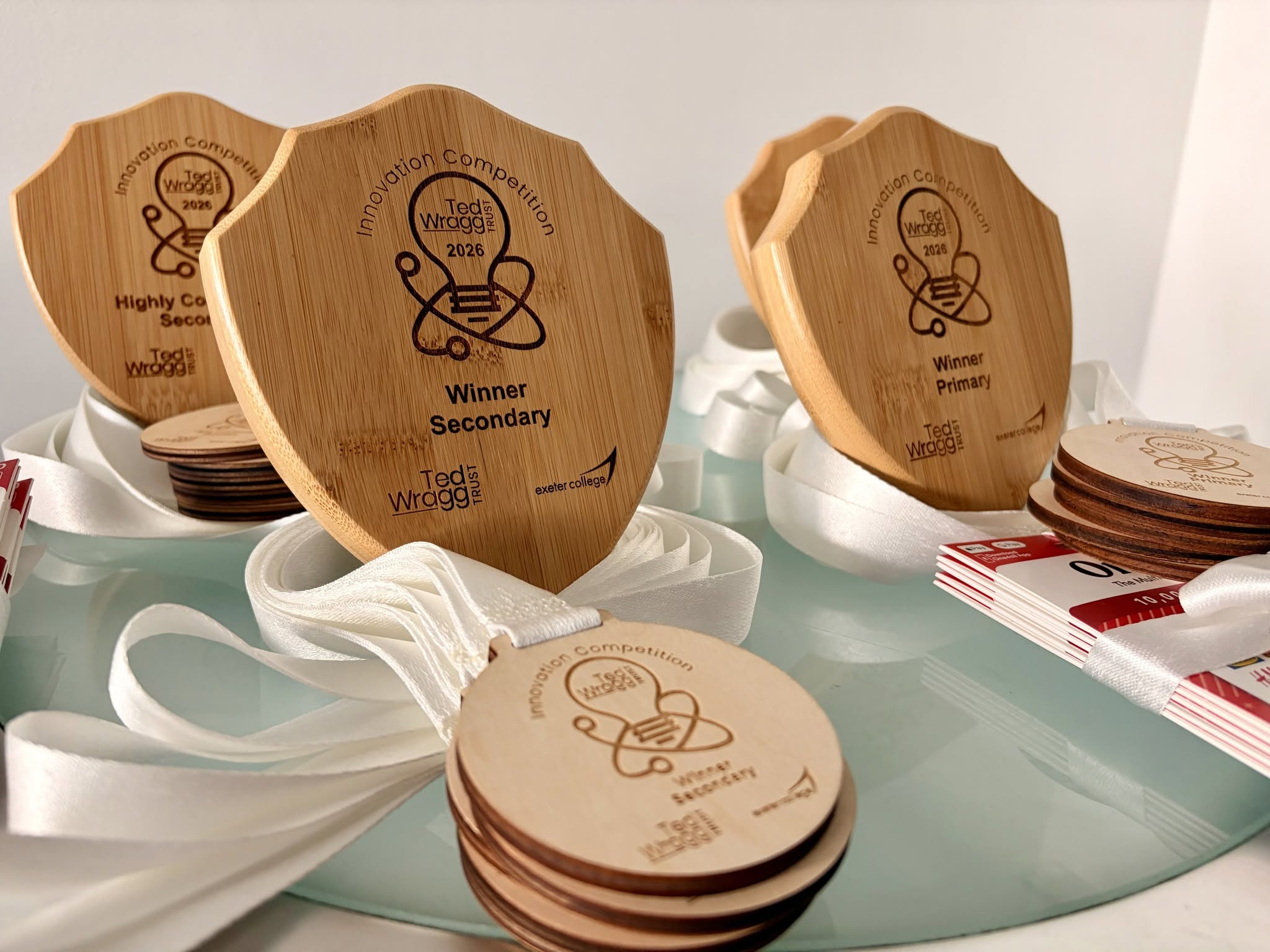
The competition also recognised outstanding work from pupils across the Trust. Exwick Heights Primary School won the primary category, while Marine Academy Plymouth took the secondary title. Highly commended awards were presented to Whipton Barton Federation for Teamwork, Queen Elizabeth’s School for Impact, Lipson Co-operative Academy for Innovation, Matford Brook Academy for Creativity, Marine Academy Primary for both Final Presentation and Primary, and West Exe School in the Secondary category.
Julie Fossey, Director of the Ted Wragg Institute at the Ted Wragg Trust, said:
"It’s been inspiring to see young people take on complex real-world challenges with such confidence and enthusiasm. The quality of thinking, research and innovation on display has been remarkable. At the Ted Wragg Trust we are committed to giving our pupils opportunities outside the classroom that bring learning to life, enabling pupils to apply their knowledge in meaningful ways while developing skills that will support them throughout their education and beyond.
“Congratulations to all our winners and highly commended teams on an outstanding achievement. We couldn’t be prouder of you. A huge thank you to all our partners and judges for making the day such a fantastic experience for our students.”
The Devon-wide competition was delivered with support from Exeter College, Willmott Dixon, Nautexe Global, AtkinsRéalis, AWP, Vistry Group, Building Greater Exeter and the Green Skills Advisory Panel.
The competition encourages young people to develop engineering, sustainability and problem-solving skills while tackling real-world environmental challenges.