
















Honiton Students Get Behind the Scenes at the Met Office
.jpg)
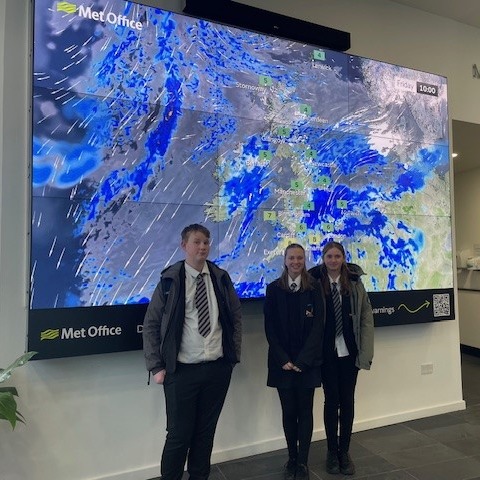
Students from Honiton Community College visited the Met Office to learn more about the wide range of careers available and the work being done to understand and respond to climate change.
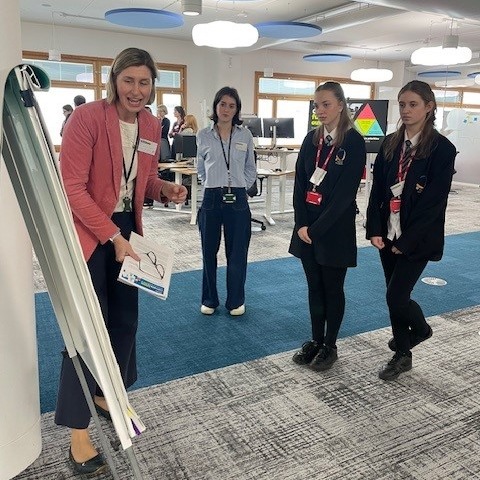
During the visit, students toured the site, met a variety of staff, and heard first-hand about different career journeys. They discovered that the Met Office offers a range of pathways, including apprenticeships, degree programmes, and internships, and that roles are not limited to science backgrounds.
Students spoke with professionals working as climate scientists, forecasters, content creators, press officers, photographers, and in a variety of media roles. They were able to ask questions and explore the many ways to contribute to the organisation’s work.
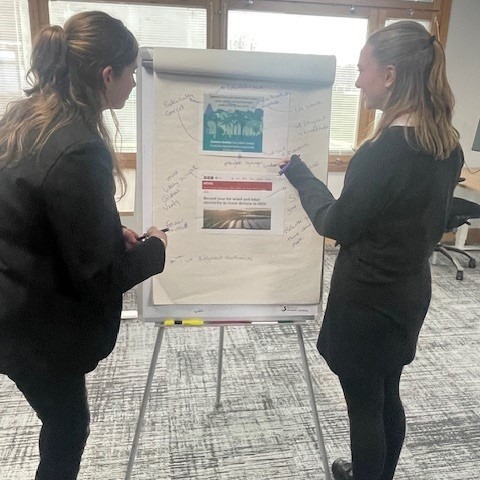
The visit also included interactive workshops on climate change, focusing on how to identify reliable and verified sources of information and what students can do as a school to support action on sustainability. The experience provided plenty of ideas to take back to Honiton College and contribute towards the school’s sustainability policy.
Honiton Community College, part of the Ted Wragg Trust, aims to create an inclusive and ambitious environment where students develop the confidence, curiosity and sense of responsibility to make a positive contribution to the world around them.
Caroline Brothwood, Headteacher at Honiton Community College, said:
"It was fascinating for our students to see that the Met Office is about so much more than forecasting the weather. From climate science to media and communications, they discovered the wide range of careers involved in helping us understand our changing planet and make informed decisions for the future.”
Moira Marder, CEO of the Ted Wragg Trust, said:
“Experiences like this show students the many ways they can make a difference in the world. Meeting professionals at the Met Office gave them a valuable insight into the wide range of careers involved in understanding our climate and communicating this important information.”