















West Exe Students Take Part in Climate Action Planning at the Met Office
.jpg)
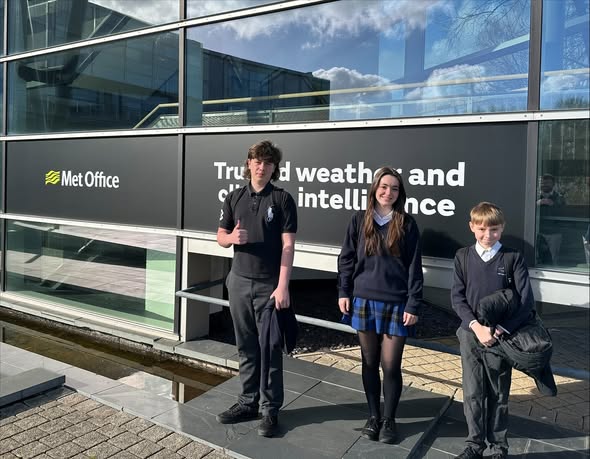
Students from West Exe School visited the Met Office to take part in a Climate Action Planning session.
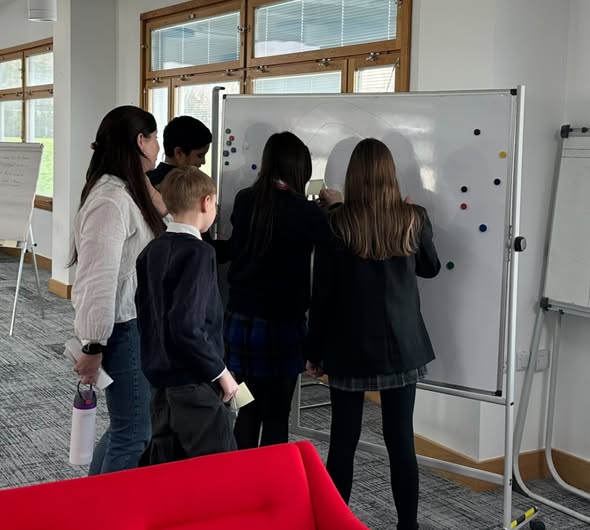
They worked alongside students from other schools to discuss climate issues and ideas for improving climate education.
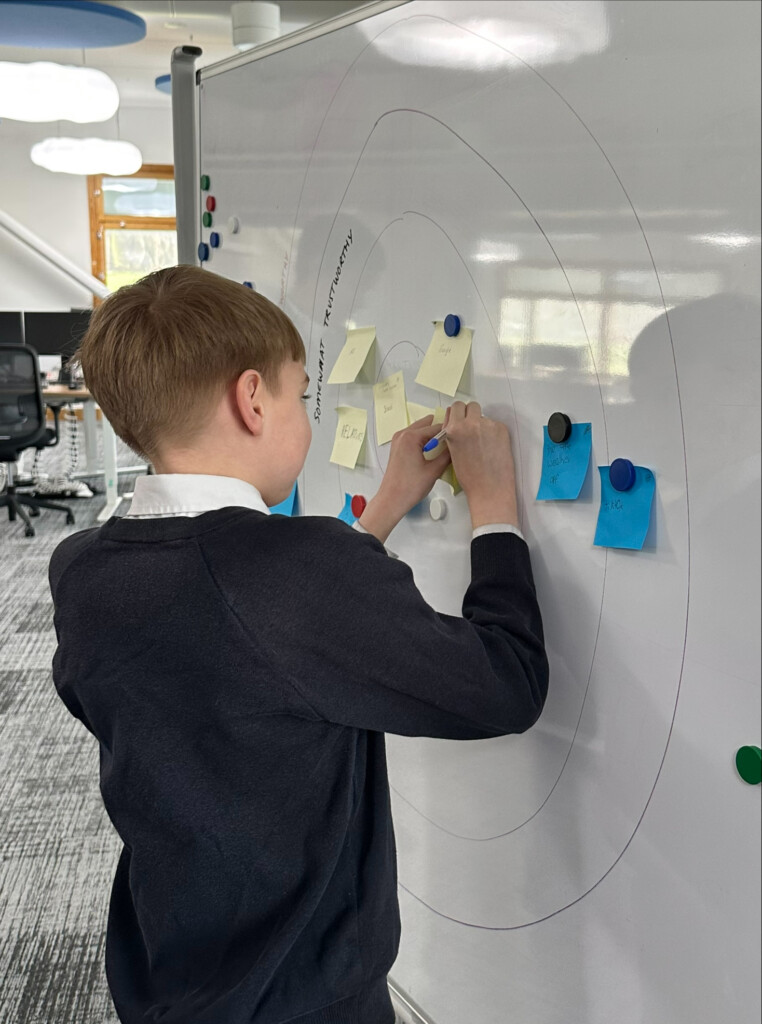
During the session, students explored different sources of climate information and ranked them by trustworthiness, helping to develop their critical thinking skills. They also learned about the Met Office’s work in climate research, forecasting and communication, as well as potential career pathways in the sector.
The visit provided a valuable opportunity for students to engage with real-world climate science and collaborate with peers from across the region.
The themes explored during the visit were developed further during West Exe School’s recent science festival, supported by the Royal Society of Chemistry, where students took part in workshops and talks focused on climate change, sustainability, green careers and scientific innovation.
Part of the Ted Wragg Trust, West Exe School places a strong emphasis on developing confident, thoughtful young people who contribute positively to their communities and the wider world.
Across the trust, schools are committed to promoting sustainability through Climate Action Plans, helping students understand environmental challenges and empowering them to make a positive difference in their communities and beyond.
Jamie Engineer, headteacher at West Exe School, said:
“Our students approached the day with enthusiasm and represented West Exe brilliantly. It was a valuable experience that helped them build their understanding of climate issues and how climate information is used.”
Moira Marder, CEO of the Ted Wragg Trust, said:
“It’s always wonderful to see students taking part in rich learning experiences beyond the classroom and representing our family of schools so brilliantly. These opportunities help them build their understanding of real-world issues, apply their learning outside the classroom and think about future pathways.”